Anxiety and Depression
Anxiety and depression do not look the same in everyone. Joshua matches acupuncture and herbal treatment to each person's symptoms and patterns, and care can be used alongside medication and therapy.
How Chinese Medicine Looks at Emotional Health
Chinese medicine has long viewed the mind and body as connected. Rather than placing all emotions in the brain, it links emotions to specific organ systems, and imbalances in those organs can show up as both physical and emotional symptoms. The heart, liver and adrenal glands are the organs most often affected. Poor blood flow to the heart is associated with anxiety, palpitations, panic and insomnia. Poor blood flow through the liver is associated with fatigue, irritability, anger and frustration. Constant stress is thought to wear down the adrenal glands and drain energy.
Joshua also looks at how anxiety presents in each person. Some people are uptight and perfectionistic, with tight shoulders and a clenched jaw. Others are jittery and fearful, exhausted and unmotivated with low mood, or overheated with sweating and irritability. Most people have a mix, but one type usually stands out.
How Joshua Treats Anxiety and Depression
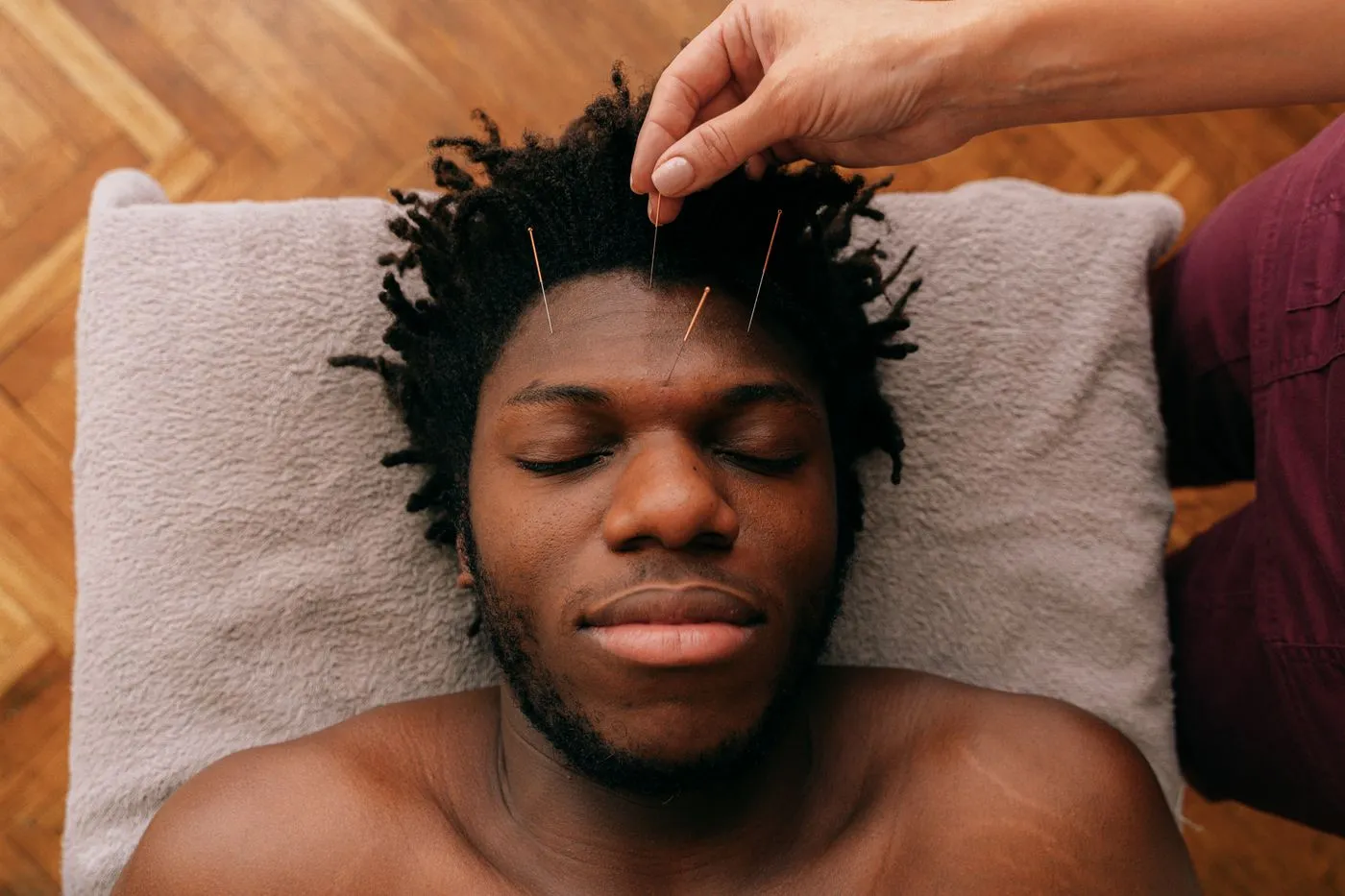
Treatment is individualized. Along with questions about symptoms, Joshua uses pulse diagnosis, tongue diagnosis and examination of the ears and eyes to build a picture of what the body needs. Some acupuncture points calm anxious energy, some ease frustration and tension, and others help restore depleted energy. Acupuncture is thought to trigger the release of serotonin and endorphins, and many patients find it brings a deep state of relaxation. Chinese herbal formulas are tailored to the individual and can be taken as a powder dissolved in tea or as capsules.
Acupuncture can be used alongside medication and psychotherapy. Patients who take medication should not make changes without speaking to their psychiatrist or mental health professional.
What to Expect
Acupuncture helps retrain the nervous system, and like building a muscle, it responds best to regular sessions. It is realistic to give it several treatments before deciding whether it helps.
Self-Care Tips
- Eat every four hours and include protein with each meal to keep blood sugar steady.
- Practice a breathing routine, meditation or quiet mindfulness for even ten minutes a day.
- Exercise in shorter bursts of 20 to 30 minutes so you burn off nervous energy without wearing yourself out.
- Stretch tight areas such as the neck, shoulders and hamstrings.
Acupuncture and Chinese medicine are not a substitute for medical care. Talk with your doctor about new, severe or worsening symptoms.
How Joshua may treat it
Care is tailored to each patient and often combines more than one approach.
Acupuncture
Thin, sterile needles placed at specific points to support the body's own healing response.
Chinese Herbal Medicine
Custom formulas that are adjusted as your condition changes.
Cupping
Glass cups that create suction to release tight, tense muscles.
Gua Sha
A traditional technique for tight, sore and restricted muscles.
Related articles
All articlesLet’s Get You Back to Doing What You Love
Whether it's gardening, playing with your kids, sleeping through the night, jogging on the beach, or simply getting through the day without pain, our personalized acupuncture treatments are designed to help you move, heal, and feel better naturally.